This is a scholarly paper titled 'Self-Reflections On Self-Reflections: An Autoethnographic Defense Of Autoethnography' submitted as part of the Grievance Studies Project by Peter Boghossian, James Lindsay, and Helen Pluckrose.
Host James Lindsay offers a thorough overview of Marxism; Cultural Marxism; Critical Marxism; and Woke Marxism, connecting each to the challenges of modernity.
This is a scholarly paper titled 'Our Struggle is My Struggle: Solidarity Feminism as an Intersectional Reply to Neoliberal and Choice Feminism' submitted as part of the Grievance Studies Project by Peter Boghossian, James Lindsay, and Helen Pluckrose.
This is a scholarly paper titled 'Super-Frankenstein and the Masculine Imaginary: Feminist Epistemology and Superintelligent Artificial Intelligence Safety Research' submitted as part of the Grievance Studies Project by Peter Boghossian, James Lindsay, and Helen Pluckrose.
This is a scholarly paper titled 'The Progressive Stack: An Intersectional Feminist Approach to Pedagogy' submitted as part of the Grievance Studies Project by Peter Boghossian, James Lindsay, and Helen Pluckrose.
Woke Theory, which is to say Woke Gnosticism, requires identification with the class. Marxist socialists must identify with the workers as a class; feminists must identify with women as a class; antiracists must identify with people of color as a class; and so on. This is because they're Social Gnostics.
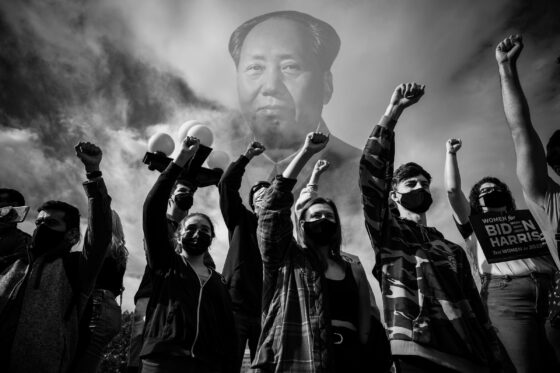
Intersectionality is a Woke standard, but what is it? Where does it come from? The history of the concept isn't that hard to trace, and where it leads us is back to some of the worst regimes in history.
It isn’t possible to discuss Intersectionality without starting with Kimberlé Crenshaw, who named it. Like with most Woke Marxist ideas, though, Intersectionality is recycled and repackaged, more than once. Crenshaw is therefore the wrong person to discuss to talk about the issue, but she’s a starting place.
In April of 2019, the famously conservative Southern Baptist Convention adopted an infamous resolution, Resolution 9, bringing into the Convention both Critical Race Theory and Intersectionality "as an analytical tool subordinate to Scripture."
In this episode of the New Discourses Podcast, join James as he dives into the introduction to Paulo Freire's 1985 book, The Politics of Education, in order to better understand Freire and his influence.
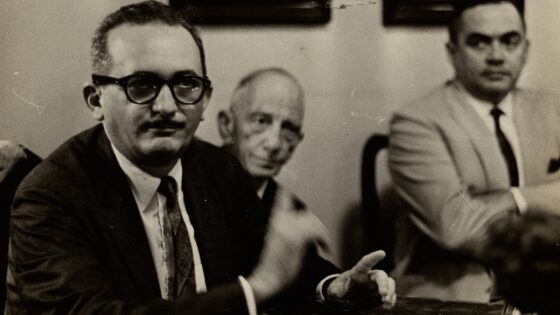
Intersectionality is usually credited to Kim Crenshaw, who coined the term as well as "Critical Race Theory" in 1989. It has an older history, however.